
Your search for "T1/ST2" revealed the following:
-
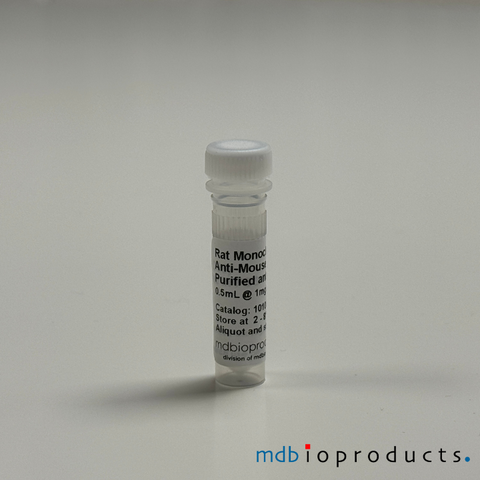 T1/ST2 (IL-33 R) Monoclonal Antibody, azide-free, 0.5 mLMouse T1/ST2 (IL-33 R) monoclonal antibody (Clone DJ8, Host / Isotype Subclass: Rat IgG1, light chain not isotyped), azide-free, for the identific...
 -
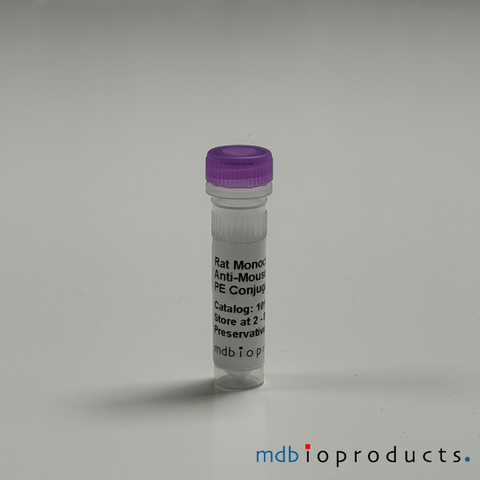 T1/ST2 (IL-33 R) Mouse, Monoclonal Antibody, PE Conjugated, 0.1 mLMouse T1/ST2 (IL-33 R) PE conjugated monoclonal antibody (Clone DJ8, Host / Isotype Subclass: Rat IgG1, light chain not isotyped) for the identific...
 -
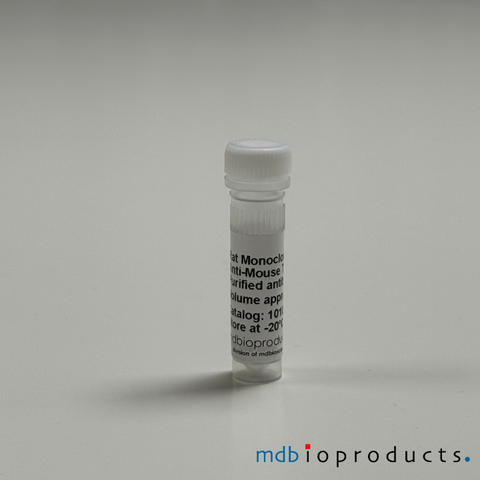 T1/ST2 (IL-33 R) Mouse, Monoclonal Antibody, 0.5 mLMouse T1/ST2 (IL-33 R) monoclonal antibody (Clone: DJ8, Host / Isotype Subclass: Rat IgG1, light chain not isotyped) for the identification and pur...
 -
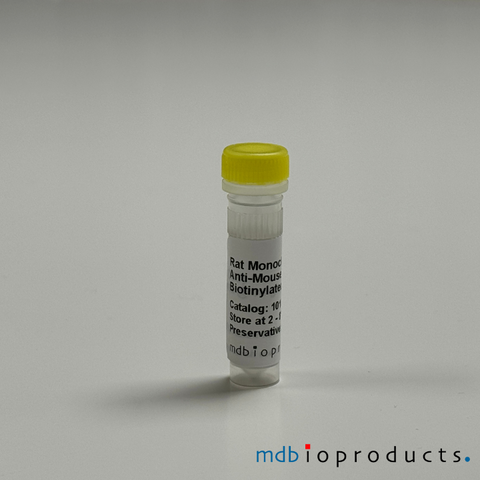 T1/ST2 (IL-33 R) Mouse, Monoclonal Antibody, Biotinylated, 0.5 mLMouse T1/ST2 (IL-33 R) biotinylated monoclonal antibody (Clone: DJ8, Host / Isotype Subclass: Rat IgG1, light chain not isotyped) for the identific...
 -
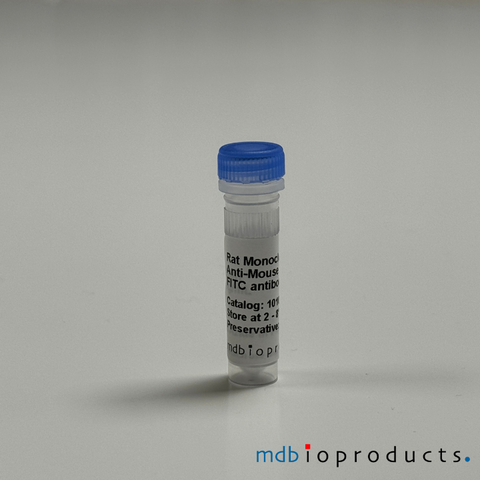 T1/ST2 (IL-33R) Mouse, Monoclonal Antibody, FITC, 0.5 mLMouse T1/ST2 (IL-33 R) FITC conjugated monoclonal antibody (Clone: DJ8, Host / Isotype Subclass: Rat IgG1, light chain not isotyped) for the identi...
 -
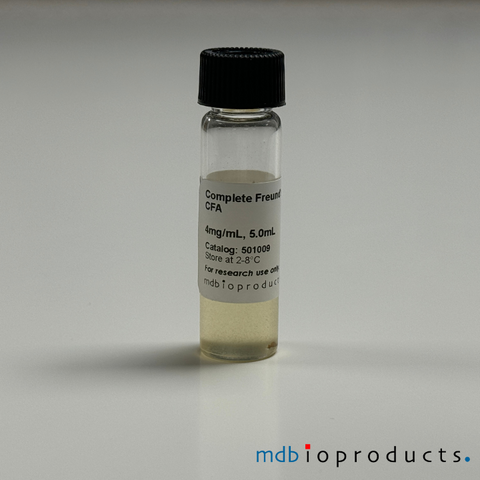 Complete Freund's Adjuvant, 4 mg/mL (5 mL)Complete Freund's Adjuvant (CFA or FCA) is 4 mg/ml M. Tuberculosis (non-viable) in mineral oil. For in-vivo/in-vitro studies. Typically used for th...
 -
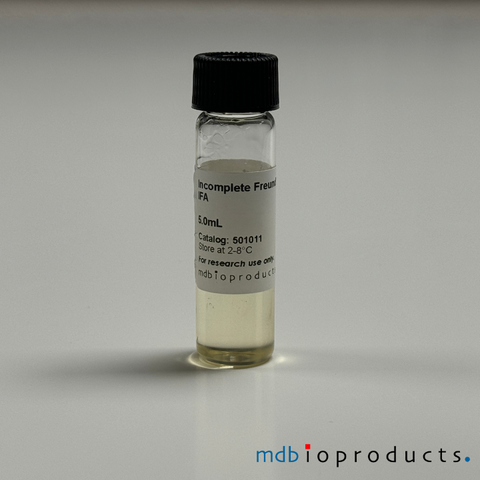 Incomplete Freund's Adjuvant (IFA), 5 mLIncomplete Freund's Adjuvant (IFA or FIA) for booster injections. For in-vivo/in-vitro studies. Incomplete Freund's Adjuvant (IFA or FIA) is widely...
 -
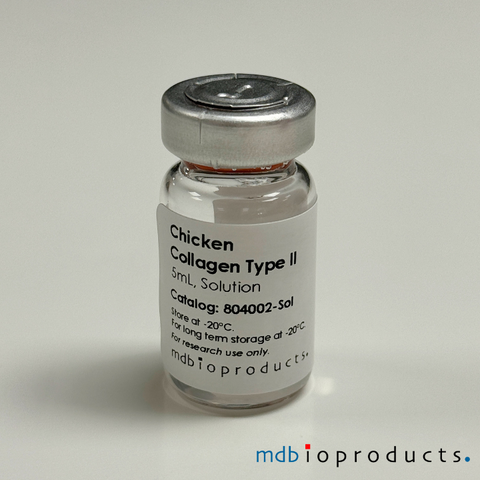 Collagen Type II, Chicken, Soluble, 2 mg/mLHighest quality (>99%) Collagen type II (CII) protein, purified from chicken sternum, for the induction of arthritis in the Collagen-Induced Art...
 -
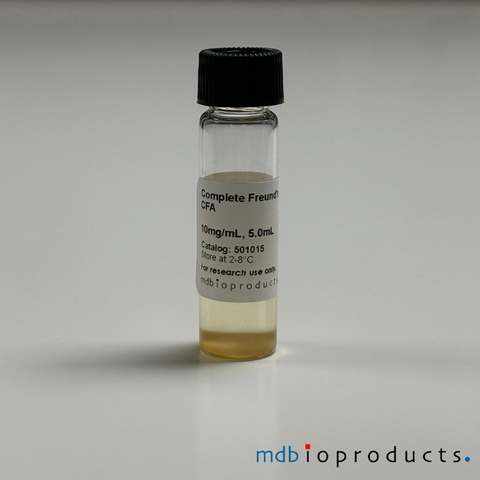 Complete Freund's Adjuvant, 10 mg/mL (5 mL)Complete Freund's Adjuvant (CFA or FCA) is 10 mg/ml M. Tuberculosis (non-viable) in mineral oil. Typically used to induce Adjuvant-Induced Arthriti...
 -
 Collagen Type II, Bovine, Immunization Grade, Lyophilized, 10 mgImmunization Grade Collagen type II (CII) protein, purified from fetal bovine articular cartilage, for the induction of arthritis in the Collagen-I...
 -
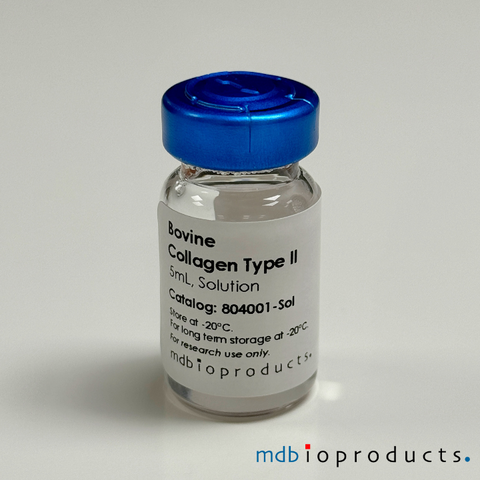 Collagen Type II, Bovine, Immunization Grade, Soluble, 2 mg/mLImmunization Grade Collagen type II (CII) protein, purified from fetal bovine articular cartilage, for the induction of arthritis in the Collagen-I...
 -
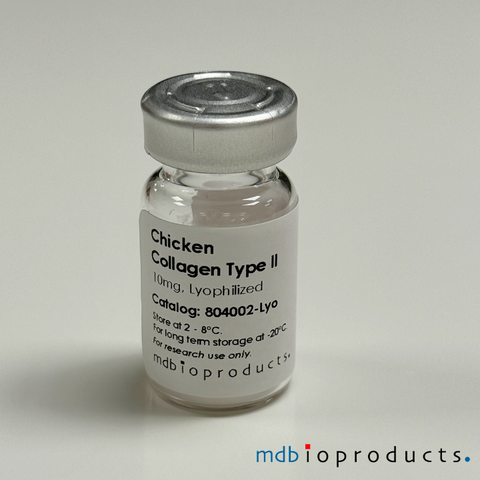 Collagen Type II, Chicken, Lyophilized, 10 mgHighest quality (>99%) Collagen type II (CII) protein, purified from chicken sternum, for the induction of arthritis in the Collagen-Induced Art...











